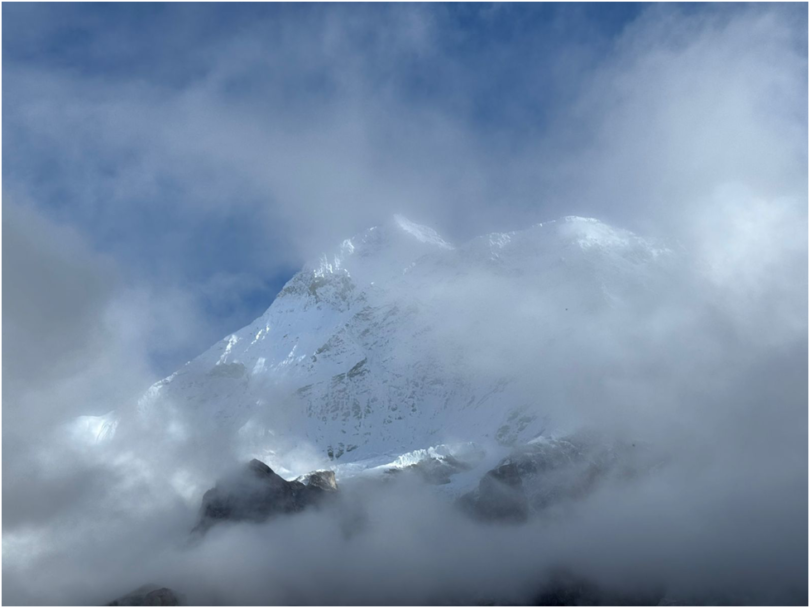

High up, 5,364 meters above the oceans, lies a place shaped more by movement than rest. Not merely a stop for mountaineers, it rests atop shifting ground – part of an active network of ice far from stable. Oxygen here measures barely above half the amount found below, challenging human limits steadily. Yet beyond breathing difficulty, height plays another role: placing observers inside zones where climate impacts appear faster, sharper. The glacier beneath tents moves year after year, thinning unevenly under warming skies. Flow depends not on distance from the equator, but elevation’s influence on cold air patterns. Many travelers track sleep plans or trail signs carefully; fewer realize they walk on frozen motion. Each step crosses terrain that scientists watch – not only to prevent accidents, but to read deeper stories hidden in melt and flow. This patch of ancient snow tells volumes about water futures across mountain ranges stretching west to east.
Scientific Research in Harsh Mountain Conditions
Here, glacier studies face conditions distinct from polar zones. Despite harsh daily shifts between freezing and thawing, equipment stays functional. Strong downhill gusts race along tight corridors, shaping how gear is positioned. Supply chains depend solely on what people can transport. Monitoring tools get serviced at intervals dictated by shifting seasons. Brief gaps between summer rains and winter buildup define work periods. Aircraft landings on vast icescapes do not support operations as they might farther north. Movement across ground happens only on foot. Coordination flows through local guiding networks. Load-bearers guide choices about where instruments go based on their awareness of unstable paths. Decisions emerge from practical experience rather than remote planning. This reliance governs how data flows without gaps; sensor breakdowns occur less from low temperatures weakening batteries than from ice displacement breaking fixed positions. Movement of a GPS device set into the glacier may carry it far downstream over twenty-four months, not through miscalibration, yet due to daily travel averaging between thirty and one hundred twenty centimeters at lower elevations.
Sunlight, Soot, and Uneven Ice Loss
High above, cooler average conditions reduce thawing speed, although stronger sunlight reaches the surface. Because the air is less dense here, more ultraviolet rays pass through. Soot from open fires across nearby lands settles on white coverings, making them darker; as a result, they absorb more heat, leading to faster loss even if skies stay cold. Scientists note uneven shrinking: cracks in shadow keep their frost much longer than exposed peaks, where icy spikes emerge – some stretching several feet upward – shaped mainly by vapor loss rather than liquid runoff. Wind moves differently around these formations, shifting dust and particles, forming tiny zones where life adapts inside frozen pockets filled with sediment, but attention still focuses mostly on physical shifts instead.
Hidden Ice Changes Along the Trek Route
Approaching Base Camp, trekkers pass through areas recently labeled “transient ice” without realizing it. Since 2015, ground-penetrating radar shows certain glacier beds underfoot have dropped close to one meter each year. Uneven thinning occurs especially along medial moraines – debris there shelters ice irregularly, leading to varied melt rates. Each year brings new marker placements; avoiding crevasses is only part of the reason. What were stable routes gradually subsided into emerging trenches. In places once seen as solid, aluminum ladders span gaps now found across seemingly intact snow surfaces.
Logistics and Citizen Involvement in Glacier Science
Support for science logistics follows existing trek routes. Packed with supplies, temperature sensors move toward high altitudes. Only during emergencies or equipment updates do helicopters deliver gear – the expense and rules reduce how often they fly. Because of this, findings depend partly on observations made by travelers: some groups bring small pressure gauges or interval cameras to designated spots along the way. Waste left behind plays a quiet role. Along the path, human waste – eventually covered in thin graves close to Gorak Shep – is examined for signs of living microbes when frozen, revealing subtle clues about how organic matter survives where ice never fully thaws.
Cultural Shifts and Changing Mountain Landscapes
Where culture meets environment, shifts emerge slowly. Because of deep-rooted beliefs about Miyolangsangma – the deity said to dwell upon Chomolungma – Sherpa groups traditionally limited time spent close to base areas. As climbing activity grows, regular cycles of land access shift; heavier movement along paths links to changes in how soil settles, especially around Lobuche and Dingboche. With trails wearing thin, old glacial deposits come into view, offering material for scientists studying former ice coverage. From plants preserved in these revealed strata, carbon analysis indicates certain hillsides seen bare recently had stayed sealed under ice more than five millennia prior.
Acclimatization and the Body’s Adjustment to Altitude
Above 3,400 meters, bodies need time to adjust – this means moving upward slowly. Namche Bazaar, set at 3,440 meters, serves as the first key rest point. From there, daily climbs should stay below 400 meters in elevation gain. Sleeping at higher spots like Tengboche follows next, positioned at 3,867 meters. Later comes Dingboche, nearly four and a half kilometers above sea level. Each overnight halt supports blood changes required for thin air survival. Skipping such stops raises chances of sudden altitude illness, offering no real benefit. Drinking enough water is critical; lack of fluid worsens oxygen deficiency signs. Those signs often mimic early stages of lung swelling linked to height. Pace matters far more than speed – one’s ability to deliver oxygen relies on consistent flow through tiny vessels. Experience shows that pushing harder does not help how gases move across tissue walls. Instead, regular movement with breaks shapes better outcomes over days.
The Glacier as a Living Process
A lone image cannot hold what the glacier truly is. From orbit, its shrinking appears clear – since 2000, the front edge pulls back about 80 meters each year – yet close up, change speaks through feel, noise, time. After midday, ice splits with a report, shedding tension gathered when frost returned at dawn. Water surfaces without warning, sinks beneath snow and stone, and flows again far away. Such patterns refuse neat labels; ongoing records become unavoidable.
Water Futures Beyond Everest
Far beyond the hiking trails, events on this ice field carry consequences. More than ten million rely on seasonal runoff from Everest’s wider watershed. When melting shifts schedule, farming across Nepal’s lowlands and northern India feels the effect. At Base Camp, awareness grows quietly – this point marks entry, yet also signals transformation. Here, physical limits meet environmental shifts, seen not in grand displays, but in ground thinned, paths redrawn, loads hauled upward just to trace what vanishes next.