
Introduction
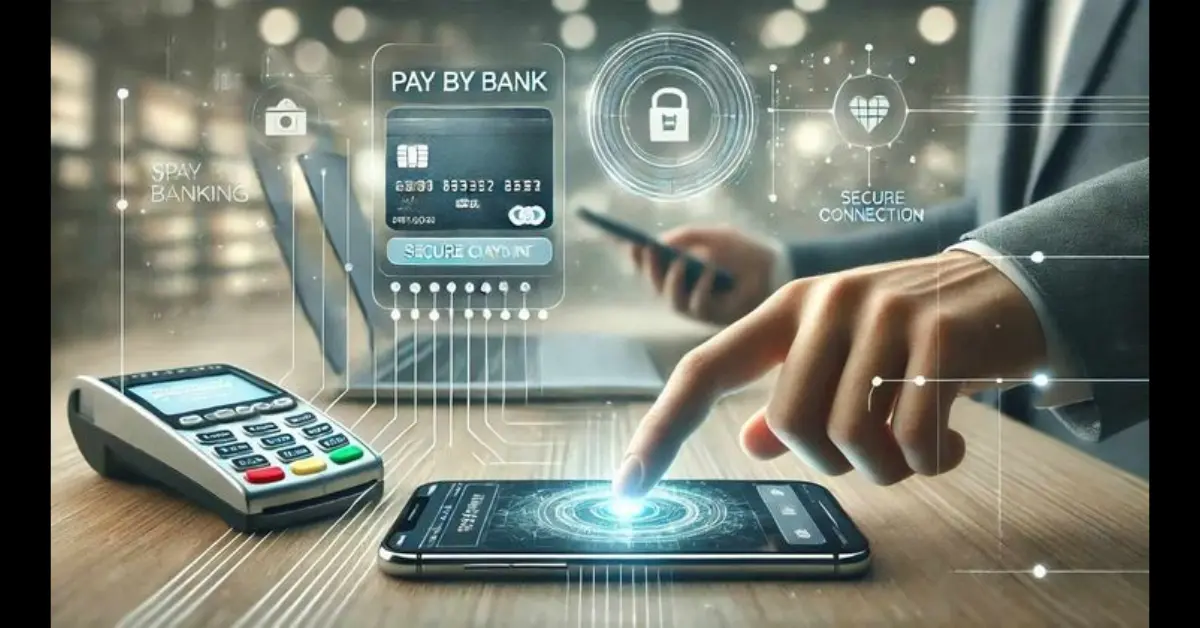
Mobile banking technology has rapidly evolved from simple SMS balance alerts into a sophisticated digital ecosystem powering real-time payments, investments, savings tools, and secure financial interactions through smartphones. As consumers shift toward mobile-first lifestyles, banks and fintechs are rebuilding their technology stacks to deliver faster, safer, and more personalized experiences.
This article explores how mobile banking technology works, the innovations shaping its evolution, the challenges financial institutions face, and what the future of mobile-first finance looks like offering a more complete, practical, and global perspective than standard industry coverage.
What Is Mobile Banking Technology?
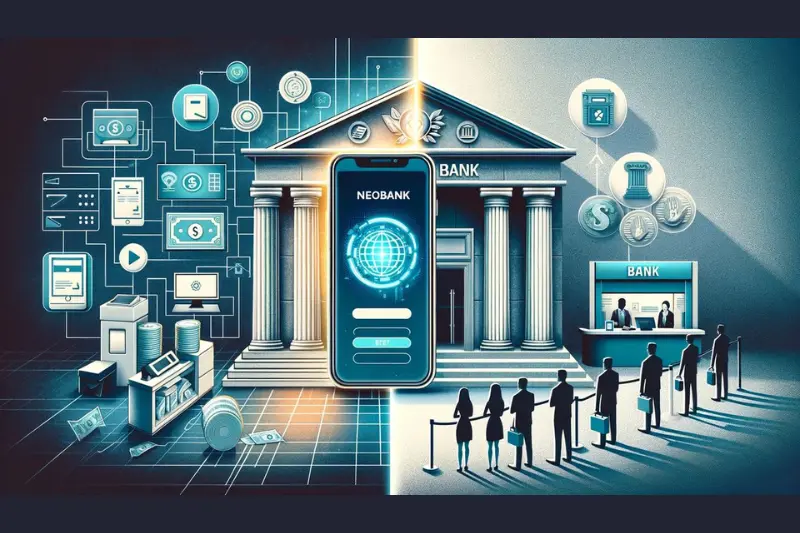
Mobile banking technology is the system of digital tools, software, APIs, and security frameworks that enable users to perform banking activities on smartphones or tablets. It combines mobile apps, cloud infrastructure, real-time data processing, biometrics, encrypted communication, and intelligent automation to deliver full-scale financial services without physical branches.
Modern mobile banking platforms support:
- Account management
- P2P transfers
- Digital wallets
- Investment and savings tools
- Credit applications
- Bill payments
- Financial analytics
- Customer support via AI or agents
Unlike early mobile banking, which relied on SMS and USSD codes, today’s systems operate through advanced mobile apps powered by API-driven architectures and cloud environments capable of handling millions of secure transactions per second.
How Mobile Banking Technology Works
Mobile banking does not rely on a single system—it functions through interconnected layers that ensure security, speed, and reliability.
Secure User Authentication
Banks use multiple identity-verification methods:
- Biometrics (face, fingerprint, voice)
- Device binding
- Multi-factor authentication
- One-time passcodes
- Behavioral biometrics (typing speed, device movement, swipe patterns)
Encrypted Communication
All data sent between the mobile device and the bank’s servers is encrypted using industry-standard protocols. This prevents unauthorized access, even over public networks.
API-Based Interaction
Mobile apps communicate with the bank’s backend via secure APIs.
APIs allow:
- Real-time balance updates
- Transaction processing
- Digital wallet integration
- Authentication checks
- Third-party financial services
Backend Systems and Cloud Infrastructure
Banks increasingly rely on cloud-native platforms for:
- High processing speed
- Scalability
- Fraud monitoring
- Data analytics
- 24/7 availability
Real-Time Transaction Verification
When a user makes a transfer:
- The request is validated
- Fraud checks are applied
- Funds are authorized
- Confirmation is sent instantly
This system makes mobile banking fast, precise, and highly secure.
May be you like it:
Hi Tech Nails: Stylish, Fun, Long-Lasting Nail Tips Today
Renas Tech: Easy-to-Use Tools for Learning and Work Success
Tech Tales Pro-Reed: Beginner-Friendly Tech Guides Today
Key Features of Modern Mobile Banking
Mobile banking apps today deliver far more than balances and transfers.
Account Management
- Real-time transactions
- Digital statements
- Spending insights
Payments and Fund Transfers
- P2P and cross-border transfers
- Bill payments
- Merchant payments via QR or NFC
Savings and Investment Tools
- Round-up savings
- Auto-savings rules
- Micro-investments
- Portfolio monitoring
Security and Fraud Prevention
- Biometric login
- AI-based fraud detection
- Device-based risk scoring
- Suspicious activity alerts
Personalization and AI
- Tailored recommendations
- Smart budgeting insights
- Predictive financial tips
Benefits of Mobile Banking Technology
For Consumers
- Access to banking anytime
- Faster transactions
- Improved financial control
- Personalized advice
- Lower fees compared to traditional banking
- More transparency and real-time information
For Banks and Financial Institutions
- Lower operational costs
- Reduced branch dependency
- Stronger customer engagement
- Faster product innovation
- Richer data insights for decision-making
- Ability to scale services globally
For Businesses
- Automated payments
- Faster settlement
- Integrated payroll and invoicing
- Reduced cash handling
Global Impact: How Mobile Banking Expands Financial Inclusion
In emerging markets across Africa, South Asia, and Latin America, mobile banking is often the primary form of financial access. It enables:
- Microloans
- Mobile money transfers
- Pay-as-you-go utilities
- Cashless payments
- Digital identity-based onboarding
This has helped millions join the formal financial system for the first time.
Mobile Banking Technology Trends Shaping the Industry
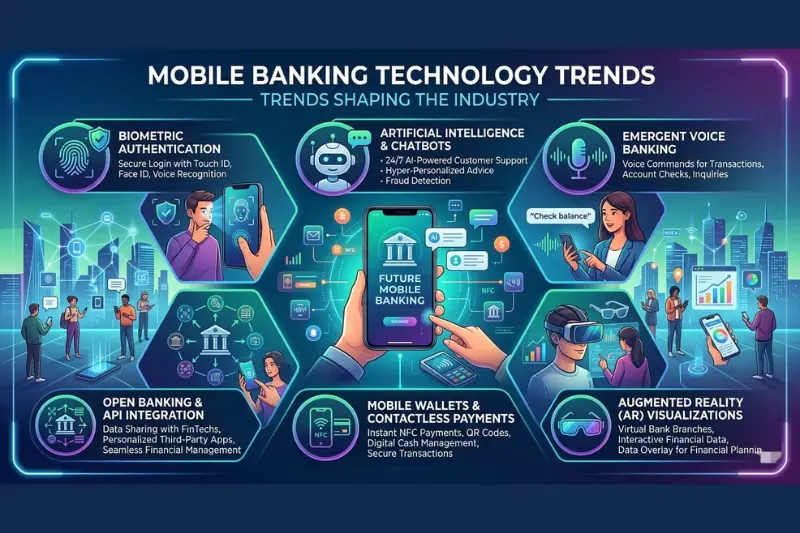
Artificial Intelligence and Autonomous Finance
AI powers:
- Smart chat assistants
- Fraud detection
- Predictive insights
- Automated savings
- Personalized advice
The next phase—autonomous finance—will allow apps to automatically move money, optimize bills, and manage savings without manual input.
Real-Time Payments
Instant transfer systems are becoming standard worldwide, enabling:
- Immediate settlements
- Faster business payments
- On-demand wages
Digital Wallets and Contactless Payments
Digital wallets now support:
- NFC payments
- QR transactions
- Subscription management
- Virtual cards
Wallet adoption is accelerating globally, especially among younger users.
Open Banking and API Ecosystems
Open-banking APIs allow users to manage multiple financial accounts in one app. This leads to:
- Unified financial dashboards
- Cross-platform payments
- Tailored credit offers
Neobanks and Digital-Only Services
Mobile-only banks provide:
- Instant onboarding
- Low-fee services
- Global payments
- Advanced money management tools
These banks are redefining competition and user expectations.
Voice-Activated Banking
Voice assistants enable hands-free banking, improving accessibility for users with disabilities or low digital literacy.
Blockchain and Distributed Ledger Innovations
Blockchain enhances:
- Transaction transparency
- Cross-border payments
- Fraud prevention
Banks are increasingly exploring decentralized ledger technologies for faster, more secure operations.
5G and Edge Computing
- Faster connectivity supports:
- High-speed transactions
- Real-time data processing
- Enhanced app responsiveness
- AR-powered financial interfaces
Challenges in Mobile Banking Technology
Even with rapid growth, several challenges remain.
Cybersecurity Threats
Banks face threats such as:
- Phishing
- Malware
- Account takeover
- Synthetic identity fraud
Strong cybersecurity frameworks are essential.
Regulatory and Compliance Requirements
Institutions must comply with:
- KYC and AML rules
- PSD2 and open-banking regulations
- Data privacy laws (GDPR, CCPA)
User Trust and Adoption
Customers expect:
- A frictionless, reliable experience
- Transparent data usage
- Strong protection of personal information
Infrastructure and Legacy Systems
Traditional banks often struggle with:
- Outdated core systems
- Slow integration capabilities
The Future of Mobile Banking Technology
Looking ahead, several innovations will reshape mobile banking.
Autonomous and Predictive Finance
Apps will:
- Predict bill payments
- Optimize savings automatically
- Offer personalized loan options
Augmented Reality Banking
AR tools could overlay financial data in the physical world, enhancing budgeting, branch navigation, or investment visualization.
IoT-Enabled Payments
Cars, wearables, appliances, and smart devices may trigger payments automatically.
Ultra-Secure Digital Identity
Advanced digital ID frameworks will:
- Simplify onboarding
- Reduce fraud
- Enable cross-border banking access
Deeper Integration with Everyday Apps
Banking services will become embedded into:
- E-commerce
- Transportation apps
- Gig-work platforms
- Subscription services
Mobile banking will no longer be a standalone product but part of a seamless financial layer across digital life.
May be you like it:
Nurture Tech Tips EmbedTree: Easy Guide for Beginners
Discover Major Trends in Technology Togtechify for Beginners
Guide Digital Marketing for Small Businesses by G2G Today 24
FAQs on Mobile Banking Technology
What are the most popular house pets?
Dogs, cats, birds, and fish are the most popular house pets.
Which house pet is easiest to care for?
Fish and small rodents are the easiest to care for.
Do house pets improve mental health?
Yes, pets reduce stress and boost emotional well-being.
Which pets are best for small homes?
Cats, rabbits, and small reptiles are great for small homes.
What is a good pet for beginners?
Hamsters, guinea pigs, and fish are ideal for beginners.
How much does it cost to own a pet?
Costs vary, but food, vet care, and supplies are the main expenses.
Which house pet is safest for kids?
Cats, small dogs, and guinea pigs are generally very kid-friendly.
Do house pets need regular vet checkups?
Yes, annual checkups keep pets healthy and prevent issues.
Can pets be kept in apartments?
Yes, many pets do well in apartments with proper care.
What is the most low-maintenance house pet?
Fish are generally considered the most low-maintenance.
Conclusion
Mobile banking technology has transformed how individuals and businesses interact with financial services, offering real-time access, enhanced security, personalization, and greater convenience. As AI, biometrics, open banking, and digital identity frameworks evolve, mobile banking is shifting from a simple transactional tool to an intelligent financial companion.
Banks and fintechs that embrace innovation, build secure and scalable mobile platforms, and deliver user-first experiences will shape the next era of global finance. The future of mobile banking is not just digital.it is predictive, interconnected, and powered by intelligent technology that supports better financial decisions for everyone.
May be you like it:
Togtechify: Simple & Latest Tech News for Everyone
Turner Tech: Smart Automation for Faster Daily Work Flow
Tile Tech Pavers: Strong, Stylish, Durable for Your Outdoor Space