
Introduction
In today’s fast-moving digital economy, businesses can no longer afford to rely on outdated procurement systems that slow down operations and limit visibility. The demand for speed, accuracy, and flexibility has driven organizations toward smarter solutions and this is where mobile procurement technology steps in.
Mobile procurement technology enables employees, managers, and procurement teams to handle purchasing activities directly from their smartphones or tablets. Whether it’s approving purchase orders, managing suppliers, or tracking expenses, everything becomes accessible anytime, anywhere. This shift is not just about convenience it’s about redefining how organizations operate in a competitive environment.
As businesses increasingly embrace remote work and global operations, mobile procurement is becoming less of a luxury and more of a necessity. In this article, we’ll explore how mobile procurement technology works, its benefits, key features, challenges, and how organizations can successfully implement it.
What Is Mobile Procurement Technology?
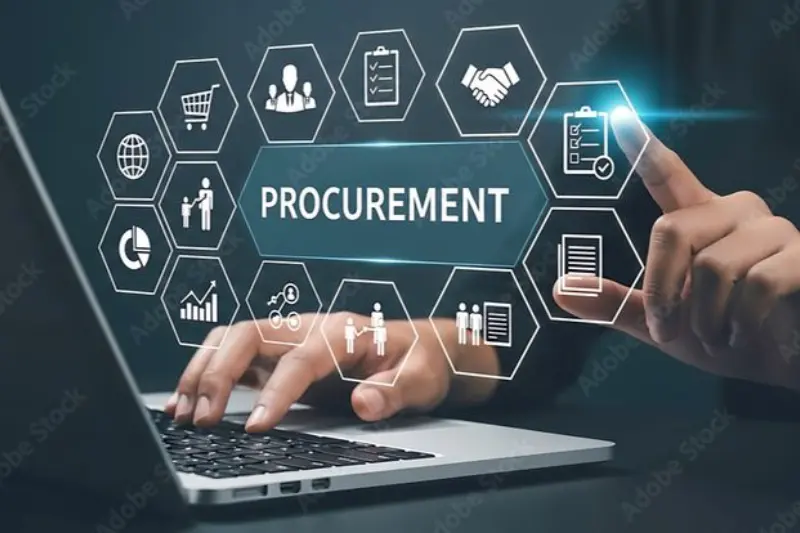
Mobile procurement technology refers to software platforms or applications that allow procurement processes to be executed through mobile devices. These platforms integrate with existing enterprise systems such as ERP (Enterprise Resource Planning) and supply chain management tools.
Instead of being tied to a desktop system, procurement professionals can:
- Create and approve purchase requisitions
- Monitor supplier performance
- Track orders and deliveries
- Manage invoices and payments
- Access analytics and reports
This mobility ensures that decision-making is no longer delayed due to physical limitations or time constraints.
Why Mobile Procurement Matters in Today’s Business Landscape
The Shift Toward Digital Transformation
Digital transformation has reshaped nearly every business function, and procurement is no exception. Companies are investing in tools that enhance efficiency and provide real-time insights. Mobile procurement technology plays a crucial role in this transformation by making procurement processes more agile and responsive.
The Rise of Remote and Hybrid Work
With teams spread across different locations, traditional procurement systems struggle to keep up. Mobile solutions ensure continuity by allowing stakeholders to stay connected regardless of where they are.
Increasing Need for Real-Time Decisions
Procurement decisions often impact cost, timelines, and supplier relationships. Mobile access enables faster approvals and reduces bottlenecks, leading to improved operational efficiency.
May be you like it:
Hi Tech Nails: Stylish, Fun, Long-Lasting Nail Tips Today
Renas Tech: Easy-to-Use Tools for Learning and Work Success
Tech Tales Pro-Reed: Beginner-Friendly Tech Guides Today
Key Features of Mobile Procurement Technology
Mobile Purchase Order Management
Users can create, edit, and approve purchase orders directly from their mobile devices. Notifications ensure that approvals happen quickly, reducing delays in procurement cycles.
Supplier Management on the Go
Mobile platforms allow businesses to access supplier data, evaluate performance, and communicate instantly. This improves collaboration and strengthens supplier relationships.
Real-Time Analytics and Reporting
Access to live data helps procurement teams make informed decisions. Dashboards and reports provide insights into spending patterns, supplier performance, and procurement efficiency.
Invoice and Payment Processing
Mobile procurement apps streamline invoice approvals and payment tracking, reducing paperwork and minimizing errors.
Integration with Existing Systems
Modern mobile procurement solutions integrate seamlessly with ERP systems, ensuring consistency and data accuracy across the organization.
Benefits of Mobile Procurement Technology
Improved Efficiency and Productivity
One of the biggest advantages of mobile procurement technology is the ability to complete tasks quickly. Approvals that once took days can now be completed in minutes, significantly improving workflow efficiency.
Enhanced Transparency
Mobile access to procurement data ensures that all stakeholders have visibility into purchasing activities. This transparency helps reduce fraud, errors, and miscommunication.
Faster Decision-Making
With real-time notifications and data access, decision-makers can act promptly. This agility is especially important in industries where timing is critical.
Cost Savings
By streamlining processes and reducing delays, businesses can lower operational costs. Improved supplier management also leads to better negotiation outcomes.
Better Compliance
Mobile procurement systems often include built-in compliance features that ensure adherence to company policies and regulatory requirements.
Challenges of Implementing Mobile Procurement Technology
While the benefits are significant, adopting mobile procurement technology is not without challenges.
Security Concerns
Handling sensitive procurement data on mobile devices raises concerns about data security. Organizations must implement robust security measures, such as encryption and multi-factor authentication.
Integration Issues
Integrating mobile solutions with legacy systems can be complex. Businesses need to ensure compatibility and smooth data flow.
User Adoption
Employees may resist adopting new technologies. Proper training and user-friendly interfaces are essential for successful implementation.
Initial Investment
Although mobile procurement technology can lead to long-term savings, the initial setup and implementation costs may be high for some organizations.
Best Practices for Successful Implementation
Choose the Right Solution
Selecting a platform that aligns with your business needs is critical. Consider factors such as scalability, ease of use, and integration capabilities.
Focus on User Experience
A simple and intuitive interface encourages adoption. If the system is difficult to use, employees are less likely to embrace it.
Prioritize Security
Implement strong security protocols to protect sensitive data. Regular audits and updates can help maintain system integrity.
Provide Training and Support
Ensure that employees understand how to use the system effectively. Ongoing support can help address any issues that arise.
Monitor and Optimize
Continuously evaluate the system’s performance and make improvements as needed. Use analytics to identify areas for optimization.
The Role of Mobile Procurement in Supply Chain Management
Mobile procurement technology plays a vital role in enhancing supply chain efficiency. By providing real-time visibility into procurement activities, it helps organizations:
- Reduce supply chain disruptions
- Improve inventory management
- Strengthen supplier relationships
- Enhance demand forecasting
This level of control and insight is essential for maintaining a competitive edge in today’s market.
Future Trends in Mobile Procurement Technology
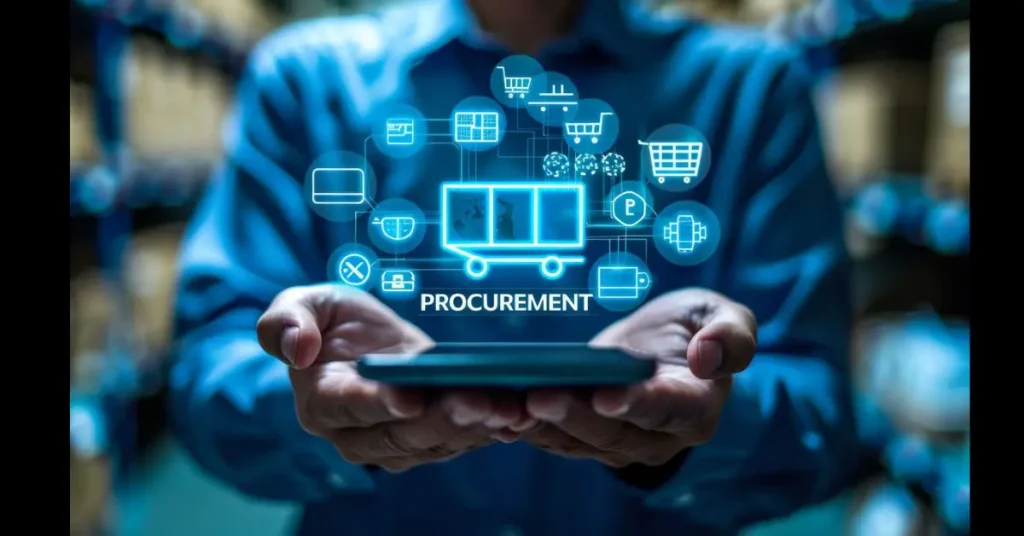
Artificial Intelligence and Automation
AI-powered tools are expected to play a larger role in procurement. From predictive analytics to automated approvals, these technologies will further enhance efficiency.
Cloud-Based Solutions
Cloud integration allows for greater flexibility and scalability. Mobile procurement systems are increasingly being built on cloud platforms for seamless access and collaboration.
Increased Focus on Sustainability
Organizations are becoming more conscious of their environmental impact. Mobile procurement tools can help track and manage sustainable sourcing practices.
Enhanced User Experience
Future solutions will focus on improving user interfaces, making procurement processes even more intuitive and accessible.
How Small and Large Businesses Benefit Differently
Small Businesses
For smaller organizations, mobile procurement technology provides an affordable way to streamline operations without investing in large-scale infrastructure.
Large Enterprises
Larger companies benefit from improved coordination across multiple departments and locations. Mobile solutions help maintain consistency and control over complex procurement processes.
Real-World Applications of Mobile Procurement Technology
Mobile procurement is being used across various industries, including:
- Manufacturing: Managing raw material procurement and supplier coordination
- Retail: Streamlining inventory replenishment and vendor management
- Healthcare: Ensuring timely procurement of medical supplies
- Construction: Handling on-site purchasing and approvals
These applications demonstrate the versatility and impact of mobile procurement technology.
Measuring the Success of Mobile Procurement Implementation
To evaluate the effectiveness of mobile procurement technology, businesses can track:
- Procurement cycle time
- Cost savings
- Supplier performance
- User adoption rates
- Compliance levels
Regular monitoring helps ensure that the system delivers the desired results.
May be you like it:
Nurture Tech Tips EmbedTree: Easy Guide for Beginners
Discover Major Trends in Technology Togtechify for Beginners
Guide Digital Marketing for Small Businesses by G2G Today 24
FAQs on Mobile Procurement Technology
What is mobile procurement technology?
It is a digital solution that allows businesses to manage procurement processes using mobile devices.
How does mobile procurement improve efficiency?
It speeds up approvals and decision-making by enabling real-time access from anywhere.
Is mobile procurement technology secure?
Yes, when implemented with encryption, authentication, and proper security protocols.
Can mobile procurement integrate with ERP systems?
Most modern solutions seamlessly integrate with ERP and other enterprise tools.
What industries use mobile procurement technology?
Industries like manufacturing, healthcare, retail, and construction widely use it.
Does mobile procurement reduce costs?
Yes, it minimizes delays, improves supplier management, and reduces operational expenses.
Is training required for mobile procurement tools?
Basic training is recommended to ensure smooth adoption and efficient use.
What devices support mobile procurement systems?
Smartphones, tablets, and other internet-enabled mobile devices support these systems.
What are the main challenges of mobile procurement?
Common challenges include security concerns, integration issues, and user adoption.
What is the future of mobile procurement technology?
It will evolve with AI, automation, and cloud-based innovations for smarter procurement.
Conclusion
Mobile procurement technology is revolutionizing the way businesses manage purchasing processes. By enabling real-time access, improving efficiency, and enhancing transparency, it empowers organizations to make smarter decisions and stay competitive in a rapidly evolving market.
While challenges such as security and integration need to be addressed, the long-term benefits far outweigh the initial hurdles. As technology continues to advance, mobile procurement solutions will become even more powerful, offering new opportunities for innovation and growth.
For businesses looking to modernize their procurement processes, adopting mobile procurement technology is no longer optional it’s a strategic move toward a more agile and efficient future
May be you like it:
Togtechify: Simple & Latest Tech News for Everyone
Turner Tech: Smart Automation for Faster Daily Work Flow
Tile Tech Pavers: Strong, Stylish, Durable for Your Outdoor Space