
Introduction
What is Digital Marketing?
Digital marketing means using the internet to promote your business. It includes things like social media, emails, blogs, and online ads. The goal is simple: reach more people and grow your business online.
Why Small Businesses Need It
Even small businesses can compete with bigger companies online. For example, a local bakery can use Facebook or Instagram to show daily specials, new cakes, or happy customer photos. This helps attract more customers without spending a lot of money on traditional ads.
Hook Question
Do you want more customers without spending too much money? Digital marketing can help you do that—easily and effectively!
Table of Contents
Understanding Your Audience
Who Are Your Customers?
Before you start marketing, you need to know who you are trying to reach. Think about:
- Age: Are they young, middle-aged, or seniors?
- Location: Are they local, national, or international?
- Interests: What do they like or need?
- Online habits: Which apps or websites do they use?
Example: If you sell handmade soaps, your audience may be people who care about natural products and shop online.
Why Knowing Your Audience Matters
Understanding your audience helps you create content that actually interests them. It also saves money because you’re not advertising to people who don’t need your products.
Example: Posting daily baking tips works for a bakery audience but not for a car repair shop.
Action Step: Create a Simple Customer Profile
- Write down the age, gender, location, and interests of your ideal customer.
- Think about their problems or needs.
- Note where they spend time online (Instagram, Facebook, YouTube, etc.).
Tip: Keep it simple. One page is enough for a small business.
Setting Clear Goals
Why Goals Matter
Digital marketing works best when you know what you want to achieve. Goals give you direction and help you measure success.
Examples of Goals
- Increase sales: Sell more products online.
- Gain followers: Grow your social media audience.
- Improve website traffic: Get more people to visit your site.
- Build customer trust: Share helpful tips or guides.
Example: A small coffee shop may aim to get 50 new Instagram followers each month and 20 online orders.
Tip: Use Small, Measurable Goals
Start with small targets that are easy to track. For example:
- “Add 10 new email subscribers this month.”
- “Post 3 times a week on social media.”
Action Step: Write down 2–3 goals for your business. Check them at the end of the month to see your progress.
Key Digital Marketing Channels
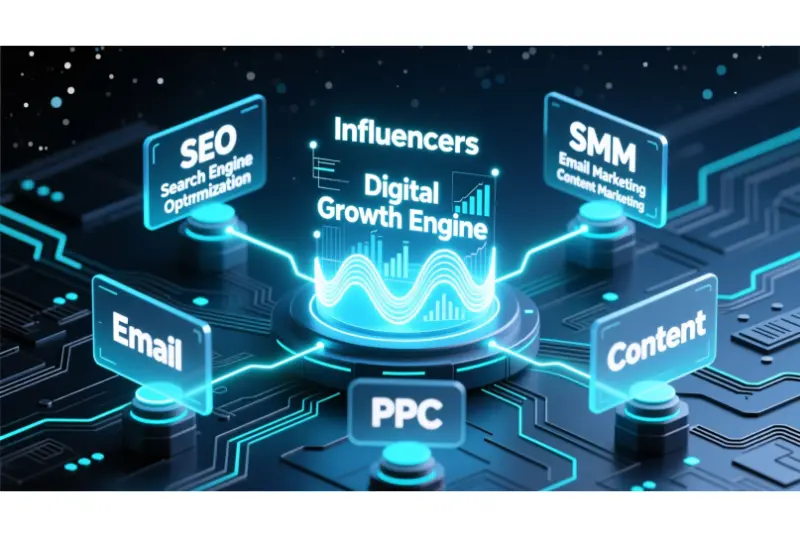
Digital marketing has many ways to reach customers. You don’t need all of them at once. Start with 1–2 channels and grow over time.
Social Media Marketing
- What it is: Using platforms like Facebook, Instagram, or LinkedIn to connect with customers.
Tips:
- Share photos, videos, or tips related to your business.
- Engage with followers by replying to comments.
Example: A bakery posts pictures of daily cakes and special offers on Instagram.
Email Marketing
- What it is: Sending emails to people who are interested in your business.
Tips:
- Collect emails through your website or store.
- Send updates, offers, or helpful tips.
Example: A small bookstore sends a monthly newsletter with book recommendations.
Content Marketing
- What it is: Creating blogs, videos, or guides to help or entertain your audience.
Tips:
- Focus on topics your customers care about.
- Keep content simple and easy to read.
Example: A gardening store writes a blog “5 Tips to Grow Healthy Tomatoes.”
Search Engine Optimization (SEO)
- What it is: Making your website easy to find on Google.
Tips:
- Use keywords your customers search for.
- Write helpful content that answers questions.
Example: A small gym writes a blog “Best Home Workouts for Beginners” to appear on Google searches.
Paid Ads (Optional for Small Budgets)
- What it is: Paying for ads online (Google Ads, Meta Ads) to reach more people.
Tips:
- Start small with a low budget.
- Track results to see what works.
Example: A local restaurant runs a $5 Facebook ad to promote weekend specials.
May be you like it:
CNA Test Prep Online – Pass Your Exam with Confidence
Renas Tech: Easy-to-Use Tools for Learning and Work Success
Tech Tales Pro-Reed: Beginner-Friendly Tech Guides Today
Creating a Digital Marketing Plan
Having a plan makes your marketing organized and effective. Even a small plan can give big results.
Step 1: Choose Your Main Channels
Pick 1–2 channels to start with. Don’t try everything at once.
Example: A small bakery may focus on Instagram and email marketing.
Step 2: Set a Budget
Decide how much money you can spend each month. Even a small budget works if you use it wisely.
Tip: Start small and increase spending as you see results.
Step 3: Create a Posting Schedule
Decide how often to post or share content. Consistency is key.
Example: Post on Instagram 3 times a week and send one newsletter each month.
Step 4: Track Results and Improve
Check which posts or emails are working best. Learn from your results and improve.
Example: If Instagram posts with photos of cakes get more likes, post more photos like that.
Tip: Start simple. Your plan doesn’t need to be complicated. Just follow these 4 steps and adjust over time.
Tools for Small Businesses
Using the right tools can make digital marketing much easier. You don’t need expensive software—many free or low-cost tools work well.
Canva (For Graphics and Designs)
- What it does: Helps you create social media posts, banners, or flyers easily.
- Example: A small coffee shop uses Canva to make a colorful Instagram post about a new drink.
Mailchimp (For Email Marketing)
- What it does: Helps you collect emails, design newsletters, and send emails to customers.
- Example: A bookstore sends monthly emails with new arrivals and book tips.
Google Analytics (For Tracking Website Performance)
- What it does: Shows how many people visit your website and what they do there.
- Example: A clothing store checks which products get the most clicks to plan their promotions.
Social Media Scheduling Tools (Optional)
- Examples: Buffer, Hootsuite
- What it does: Lets you plan posts ahead of time so you don’t need to post manually every day.
Tip: Start with 1–2 tools that fit your business. Learning them takes time but saves effort later.
Measuring Success
To know if your digital marketing is working, you need to track your results. This helps you focus on what works and improve what doesn’t.
Key Metrics to Track
- Followers/Reach: How many people see your posts.
- Website Visits: How many people visit your website.
- Engagement: Likes, comments, shares, or clicks on your posts.
- Sales/Leads: How many people buy or show interest in your products.
Example: A small bakery notices posts with cake photos get more likes and online orders. They post more photos like that to boost sales.
Tip: Focus on 1–2 Metrics First
- Don’t try to track everything at once. Choose what matters most for your business.
- Example: If your goal is more online sales, focus on website visits and orders rather than social media followers.
Action Step:
- Pick your top 2 metrics.
- Track them weekly or monthly.
- Adjust your posts, emails, or ads based on what works best.
Common Mistakes to Avoid
Even small businesses can make simple mistakes in digital marketing. Avoiding them can save time, money, and effort.
Ignoring Customer Feedback
- Always listen to what your customers say online.
- Example: If people ask about a product, reply quickly. Ignoring them can lose trust.
Posting Irregularly
- Consistency matters more than quantity.
- Tip: Stick to a schedule, even if it’s just 2–3 posts per week.
- Example: A coffee shop posting daily specials every morning keeps customers engaged.
Not Tracking Results
- If you don’t track, you won’t know what works.
- Tip: Use simple tools like Google Analytics or Instagram Insights.
- Example: A small clothing store discovers that weekend posts get more clicks. They adjust their schedule accordingly.
Trying to Do Everything at Once
- Focus on 1–2 channels first. Don’t overwhelm yourself.
- Example: Start with Instagram and email marketing before adding Google Ads or TikTok.
- Tip: Start small, track results, and improve step by step. Avoiding these mistakes makes digital marketing easier and more effective.
May be you like it:
Nurture Tech Tips EmbedTree: Easy Guide for Beginners
Discover Major Trends in Technology Togtechify for Beginners
Hi Tech Nails: Stylish, Fun, Long-Lasting Nail Tips Today
FAQs (Frequently Asked Questions)
Do I need a website?
Yes, even a simple one helps. It gives your business a home online where customers can learn about you.
Can I do digital marketing alone?
Yes! Small business owners can start alone. Tools like Canva or Mailchimp make it easier. You can grow your team later if needed.
How much should I spend?
Start small. Even $5–$10 per day on ads or free tools can work. Increase your budget as you see results.
How long does it take to see results?
Results may take a few weeks to a few months. Keep posting consistently and learning from your data.
Which social media is best for small businesses?
It depends on your audience. Instagram works well for visuals (like food or fashion). Facebook is good for local businesses. Start with one platform and grow from there.
What is digital marketing for small businesses?
It is using the internet to promote your products and get more customers.
Do I need a big budget to start?
No. You can start with free tools and a very small budget.
Which platform should I use first?
Start with the one your customers use most, like Facebook or Instagram.
How often should I post content?
Try to post at least 2–3 times a week to stay active.
Can digital marketing really help my small business grow?
Yes. It helps you reach more people and increase your sales.
Conclusion
Recap
Digital marketing is a simple and powerful way for small businesses to reach more customers. By using social media, email, content, and a few helpful tools, you can grow your business online—even with a small budget.
Encouragement
Start small, stay consistent, and learn as you go. Every post, email, or blog helps your business grow. Don’t worry about perfection—focus on progress.
Engaging Question
Which digital marketing channel will you try first for your business? Social media, email, or maybe content like blogs and videos?
May be you like it:
Togtechify: Simple & Latest Tech News for Everyone
Turner Tech: Smart Automation for Faster Daily Work Flow
Tile Tech Pavers: Strong, Stylish, Durable for Your Outdoor Space