
Introduction
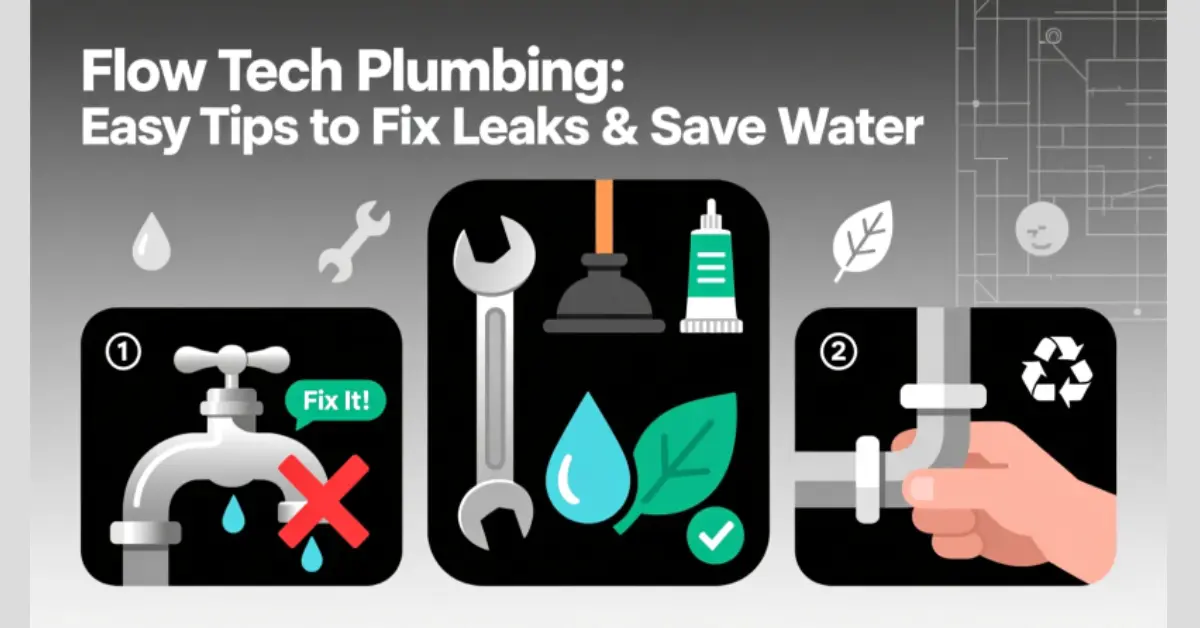
Flow Tech Plumbing is a trusted approach to keeping your home or business water systems working smoothly. It focuses on quality repairs, maintenance, and smart solutions to prevent common plumbing problems.
Good plumbing is more than just pipes and taps. It makes your home comfortable, safe, and efficient. Clean water, proper drainage, and leak-free pipes protect your property and health.
Example: Even a small leak in your faucet can waste thousands of gallons of water over a year and raise your water bills. Fixing it early saves money and avoids bigger damage.
Table of Contents
What is Flow Tech Plumbing?
Flow Tech Plumbing is a modern plumbing service that focuses on keeping water systems working efficiently. It includes fixing leaks, unclogging drains, maintaining pipes, and installing new plumbing equipment.
Unlike regular plumbing, Flow Tech Plumbing uses smart tools and techniques to solve problems faster and prevent future issues. The goal is to save water, avoid damage, and make your home or business safe and comfortable.
Example: If a pipe is leaking behind a wall, Flow Tech Plumbing can detect it early and fix it before it ruins floors or walls.
Tip: Regular maintenance with Flow Tech Plumbing prevents small problems from turning into expensive repairs.
Why Flow Tech Plumbing is Important
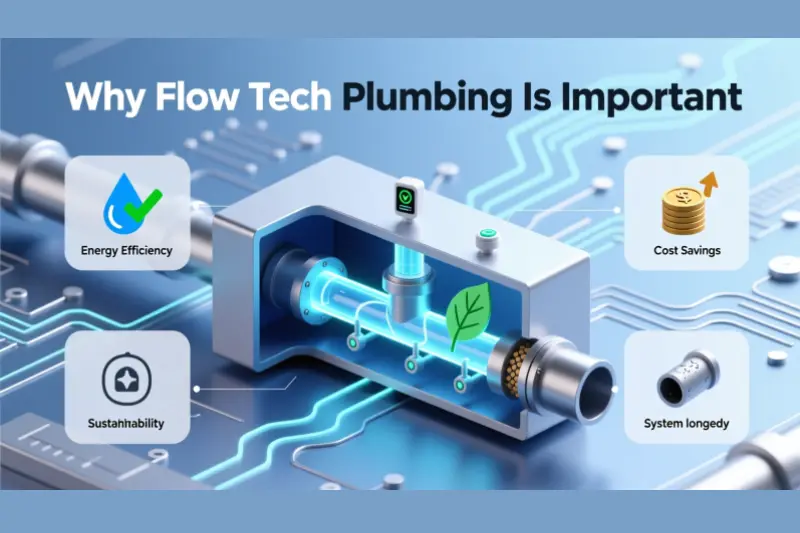
Good plumbing is more than just fixing leaks. Flow Tech Plumbing helps protect your home, save money, and ensure safety. Here’s why it matters:
- Prevents Water Damage
Leaks or burst pipes can ruin walls, floors, and furniture. Early repairs stop costly damage. - Saves Money
Fixing small problems early prevents expensive repairs later. It also reduces water bills by stopping leaks. - Ensures Clean and Safe Water
Proper plumbing prevents contamination and keeps water safe for drinking, cooking, and bathing. - Improves Comfort
Reliable water flow, functioning taps, and drainage make everyday life easier and stress-free. - Prevents Emergency Situations
Regular maintenance reduces the risk of sudden leaks or pipe bursts that can disrupt your home or business. - Protects Your Property Value
Well-maintained plumbing increases the value of your home and avoids long-term damage.
Example: A small leak behind a sink may seem minor, but if ignored, it can lead to mold, rotting wood, and expensive repairs.
May be you like it:
CNA Test Prep Online – Pass Your Exam with Confidence
Renas Tech: Easy-to-Use Tools for Learning and Work Success
Tech Tales Pro-Reed: Beginner-Friendly Tech Guides Today
Common Plumbing Problems
Plumbing issues can happen anytime. Flow Tech Plumbing helps fix them quickly and prevents bigger problems.
Leaky Faucets
Causes: Worn washers, loose parts, or old fixtures.
Tip: Turn off the water, remove the faucet handle, and replace the washer or tighten loose parts.
Example: A dripping kitchen faucet can waste hundreds of gallons of water each year, raising your bills.
Clogged Drains
Causes: Hair, soap, grease, or food particles.
Tip: Try a plunger first. If that doesn’t work, use a drain snake. Avoid harsh chemicals—they can damage pipes.
Example: A clogged shower drain can stop water from flowing in minutes, making daily routines frustrating.
Running Toilets
Causes: Worn flapper, broken chain, or misaligned parts.
Tip: Check the flapper inside the tank. Replace it if it’s worn or not sealing properly.
Example: A running toilet can waste up to 200 gallons of water per day.
Low Water Pressure
Causes: Buildup in pipes, leaks, or faulty valves.
Tip: Clean faucet aerators or check for leaks. Call a plumber if the problem persists.
Example: Weak water flow in the shower can make bathing difficult and annoying.
Pipe Leaks and Bursts
Causes: Corrosion, freezing, high water pressure, or old pipes.
Tip: Shut off the main water supply immediately and call a professional for repair.
Example: A burst pipe can flood a room in minutes, causing major damage to floors and walls.
Flow Tech Plumbing Solutions
Flow Tech Plumbing not only fixes problems but also prevents them. Here’s how you can keep your plumbing in top shape:
Preventive Maintenance
- Monthly Checks: Look under sinks and around appliances for leaks or damp spots.
- Professional Inspections: Schedule regular checkups to spot hidden problems early.
Example: Checking under your kitchen sink monthly can catch a small leak before it damages cabinets or floors.
DIY Fixes for Small Problems
- Fix minor leaks by replacing washers or tightening loose pipes.
- Unclog drains with a plunger or drain snake.
- Improve water flow by cleaning faucet aerators.
Example: Replacing a worn washer in a leaky faucet can save hundreds of gallons of water each year.
When to Call a Professional
- Major leaks inside walls or ceilings.
- Sewer line problems or persistent low water pressure.
- Burst pipes or hidden water damage.
Tip: Don’t wait too long. Early repairs prevent expensive damage and save money.
Essential Plumbing Tools and Products
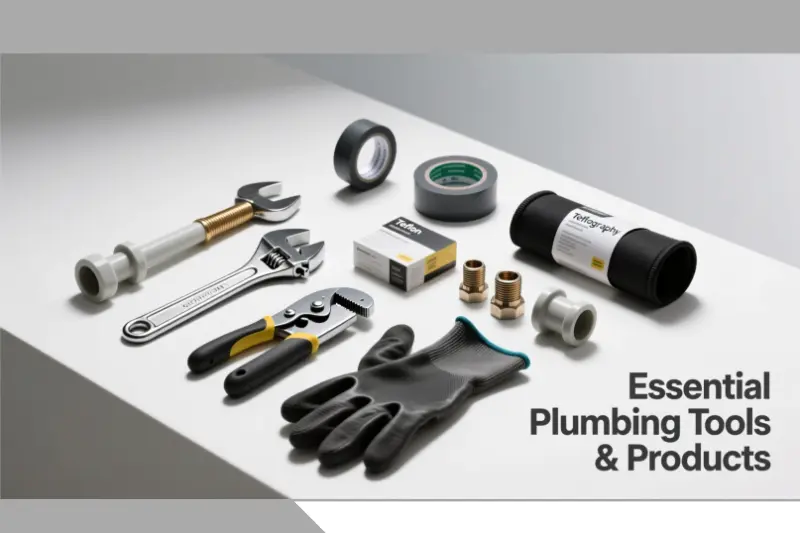
Having the right tools makes plumbing easier and safer. Here are the basic tools you should know:
Wrench
- Use: Tightening or loosening pipes and fittings.
- Example: A wrench can fix a leaking pipe joint under the sink.
Plunger
- Use: Clearing clogs in sinks, toilets, and showers.
- Example: Using a plunger correctly can unclog a blocked sink in minutes without chemicals.
Drain Snake
- Use: Removing tough clogs deep in the pipes.
- Example: A drain snake can pull out hair or grease that a plunger can’t remove.
Plumbing Tape (Teflon Tape)
- Use: Sealing pipe threads to prevent leaks.
- Example: Wrapping tape around pipe threads before connecting them stops small drips from forming.
Optional Products
- Pipe sealant for leaks.
- Pipe insulation to prevent freezing.
- Faucet aerators to improve water flow.
Tip: Keeping these tools at home helps you handle small plumbing problems quickly and safely.
Water-Saving Tips
Saving water is good for the environment and your wallet. Flow Tech Plumbing can help you reduce waste with simple steps:
- Fix Leaks Promptly
Small drips add up to a lot of wasted water. Repair faucets, pipes, or toilets as soon as you notice a leak.
Example: A dripping tap can waste over 3,000 gallons per year. - Install Low-Flow Faucets and Aerators
These reduce water use without affecting pressure. They are easy to install and save money on bills. - Track Your Water Bills
Keep an eye on your bills each month. Sudden increases may indicate leaks or plumbing problems.
Tip: Regular maintenance combined with these water-saving steps keeps your plumbing efficient and your bills lower.
Energy-Saving Plumbing Tips
Saving energy with your plumbing helps reduce bills and protects the environment. Here are simple ways to do it:
- Insulate Pipes
Wrapping hot water pipes keeps water warm and reduces heat loss. It also prevents pipes from freezing in winter. - Example: Insulated pipes deliver hot water faster and use less energy.
- Use Energy-Efficient Water Heaters
Modern water heaters use less electricity or gas to heat water. Consider tankless or solar water heaters for long-term savings. - Heat Only What You Need
Don’t keep your water heater too hot. Heating less water saves electricity and reduces bills.
Tip: Combining insulated pipes and an efficient water heater can save hundreds on energy costs each year.
Plumbing Safety Tips
Plumbing work can be simple, but safety should always come first. Follow these tips to avoid accidents and damage:
- Wear Gloves and Goggles
Protect your hands and eyes when handling tools, pipes, or chemicals. - Shut Off Water Before Repairs
Always turn off the main water supply before working on pipes to prevent flooding. - Avoid Dangerous Chemicals
Harsh drain cleaners can damage pipes and harm your skin. Use a plunger or drain snake instead.
Example: A leaking pipe under the sink can create slippery floors or damage cabinets. Wearing gloves and turning off the water prevents accidents.
Tip: Simple precautions save time, money, and prevent injuries.
Seasonal Plumbing Advice
Taking care of your plumbing throughout the year helps prevent damage and costly repairs.
Winter Tips
- Prevent Pipe Freezing: Insulate exposed pipes and keep a small trickle of water running in very cold weather.
- Check Outdoor Faucets and Hoses: Disconnect garden hoses and cover outdoor faucets to avoid frozen pipes.
Example: A frozen pipe can burst and flood your home if not protected.
Summer Tips
- Inspect for Leaks After Storms: Heavy rain or storms can damage pipes or drains. Check your plumbing system afterward.
- Check Irrigation and Outdoor Plumbing: Make sure sprinklers, garden taps, and hoses are working properly.
Example: A broken outdoor faucet can waste hundreds of gallons of water if not repaired quickly.
Tip: Seasonal checks help prevent emergencies and save money in the long run.
May be you like it:
Nurture Tech Tips EmbedTree: Easy Guide for Beginners
Discover Major Trends in Technology Togtechify for Beginners
Guide Digital Marketing for Small Businesses by G2G Today 24
FAQs
How often should I check my pipes?
Check monthly under sinks and around appliances to catch problems early.
Can I fix a running toilet myself?
Yes, often replacing the flapper or adjusting the chain solves the problem.
What causes sudden low water pressure?
Buildup in pipes, leaks, or faulty valves can reduce water flow quickly.
Is it safe to use chemical drain cleaners?
No, they can damage pipes and harm your skin. Use a plunger or drain snake instead.
What is Flow Tech Plumbing?
It’s a modern plumbing service that fixes, maintains, and prevents problems in pipes and water systems.
Why should I fix a leaking faucet quickly?
A small leak wastes water, increases bills, and can cause damage over time.
How can I unclog a sink at home?
Use a plunger first. If it doesn’t work, try a drain snake. Avoid harsh chemicals.
What causes low water pressure?
Pipe buildup, leaks, or faulty valves can reduce water flow.
When should I call a plumber?
For hidden leaks, burst pipes, sewer issues, or problems you cannot fix safely yourself.
How often should I check my plumbing?
Monthly checks under sinks and around appliances help spot problems early.
Can I save water with small fixes?
Yes! Fixing leaks, using low-flow faucets, and monitoring bills all save water and money.
What tools should I keep at home?
Basic tools include a wrench, plunger, drain snake, and plumbing tape.
How do I prevent frozen pipes in winter?
Insulate exposed pipes, cover outdoor faucets, and let water trickle during very cold nights.
How can plumbing save energy?
Insulate hot water pipes, use efficient water heaters, and heat only the water you need.
Conclusion
Proper plumbing keeps your home safe, comfortable, and efficient. Regular maintenance and timely repairs prevent small issues from becoming costly problems.
- DIY Fixes for Small Problems: Simple tasks like fixing leaks, unclogging drains, or replacing washers can save water and money.
- Call a Professional for Major Issues: Hidden leaks, burst pipes, or sewer problems require expert help to avoid damage.
Engaging Question: Which plumbing tip will you try first at home?
Tip: Start small with monthly checks and simple fixes. Over time, these habits keep your plumbing in top shape.
May be you like it:
Togtechify: Simple & Latest Tech News for Everyone
Turner Tech: Smart Automation for Faster Daily Work Flow
Tile Tech Pavers: Strong, Stylish, Durable for Your Outdoor Space